
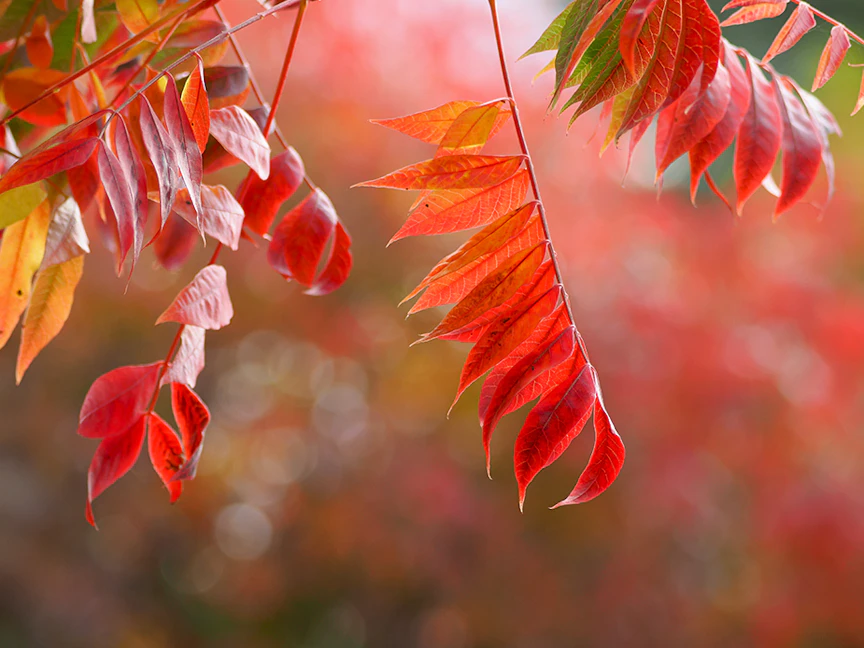
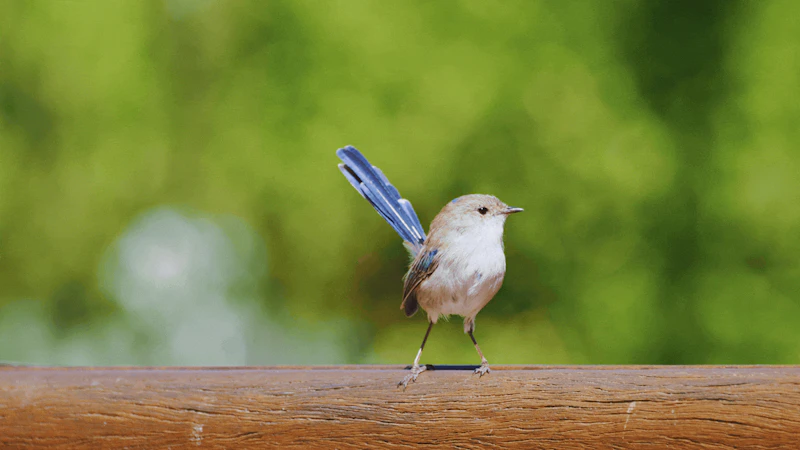
Photo by Kat Millard, Katelizabeth
I begin this blog post emphasising a point made to me at the start of my recovery journey: your pain is real. Here is a snippet from Gordon & Ziv's (2022, p. 6-7) book 'The Way Out':
Patient: Are you saying my pain isn't real?
Me: Well, do you feel it?
Patient: Yes.
Me: Does it hurt?
Patient: Yes.
Me: Then it's real.
I emphasise that my purpose is not to undermine your pain; rather to share experiences and strategies that may help alleviate your symptoms.
The Painful Truth
Gordon & Ziv (2022, p.5) likens chronic pain to a switch in our brain that can get stuck in the on position. You may connect with how physically and mentally draining chronic pain can be. Perhaps you worry about experiencing pain for the rest of your life? It is reported that chronic pain interferes with relationships, decreases mood and energy levels, and increases depression Hadi et al. (2019). As a chronic pain sufferer for 18 years, I know firsthand the impacts of chronic pain on wellbeing.
As Good as it Gets?
My doctor once asked if depression was causing my chronic pain, but I replied that being in chronic pain was causing my depression! With a looming diagnosis of fibromyalgia, I was referred to participate in Coffs Harbour Health's chronic pain service. My pre-assessment results of DASS reported a score in the extreme range, and I recall crying impossible tears of desperation.

Discharge Summary, Kathryn McKinnon
The pain clinic proved successful and I no longer life a life of chronic pain, and whilst I highly recommend PRT programs such as those described at Neuro Orthopaedic Institute, in this post I would like to focus on mindfulness.
Mindfulness for Wellbeing
Mindfulness remedies are documented to positively contribute to the wellbeing of chronic pain sufferers. For example:
In a review of over 3000 patients who participated in various studies, Hilton et al. (2017, p.211) mindfulness interventions were found to lower depression scores and improve health-related quality of life.
Exploring the effects of a mindfulness-based approach for chronic back pain sufferers, Doran (2014) reported that patients found ways to move through pain and were equipped with a set of tools that helped to shift perception where they otherwise felt stuck or with no way out.
One long-standing practice for mindfulness that assisted in my journey was five senses grounding or 5-4-3-2-1, first introduced by Betty Alice Erickson (Martinez, 2026; Micallef, 2023).
Five Senses Grounding
Grounding techniques are said to improve the body's natural ability to function, and to decrease pain and whole body inflammation (Koniver, 2023). Five senses grounding allowed me to defocus from the pain itself; with the following reported benefits:
Relaxation through anchoring the mind to the present moment (Finck et al. 2023).
Meaningful reductions in anxiety (Scott et al. 2025).
Calming of the nervous system and reduction in stress and anxiety (Calm, 2023).
Gupta (2026) summarises five senses grounding as a practice that can offer distraction from overthinking:
This exercise acts as an immediate distraction that diverts our attention away from anxious thoughts, by engaging our senses. It moves us from an overthinking, worrying, or ruminating mindset to a noticing and describing mindset.
The practice involves finding a quiet space and focusing on the five senses; sight, touch, hearing, smell and taste, and following 5 steps as described by Sutton (2020):
Notice 5 things you see
Notice 4 things you feel
Notice 3 things you hear
Notice 2 things you smell
Notice 1 thing you taste
Five senses grounding is widely promoted online (as you can see in this google search), and can be utilised in many walks of life regardless of age, mobility or location. It is worth noting however, that not everyone in our focus group indicated the same levels of success; and that the Evolve workshop employed a range of strategies such as exercising, desensitisation, pacing, mindfulness, goal setting and breathing (Power et al., 2025).
I also include a photo of the Mount Macedon gardens where I conquered a nature walk that I once thought to be unachievable; in a renewed version of life I once thought was impossible.
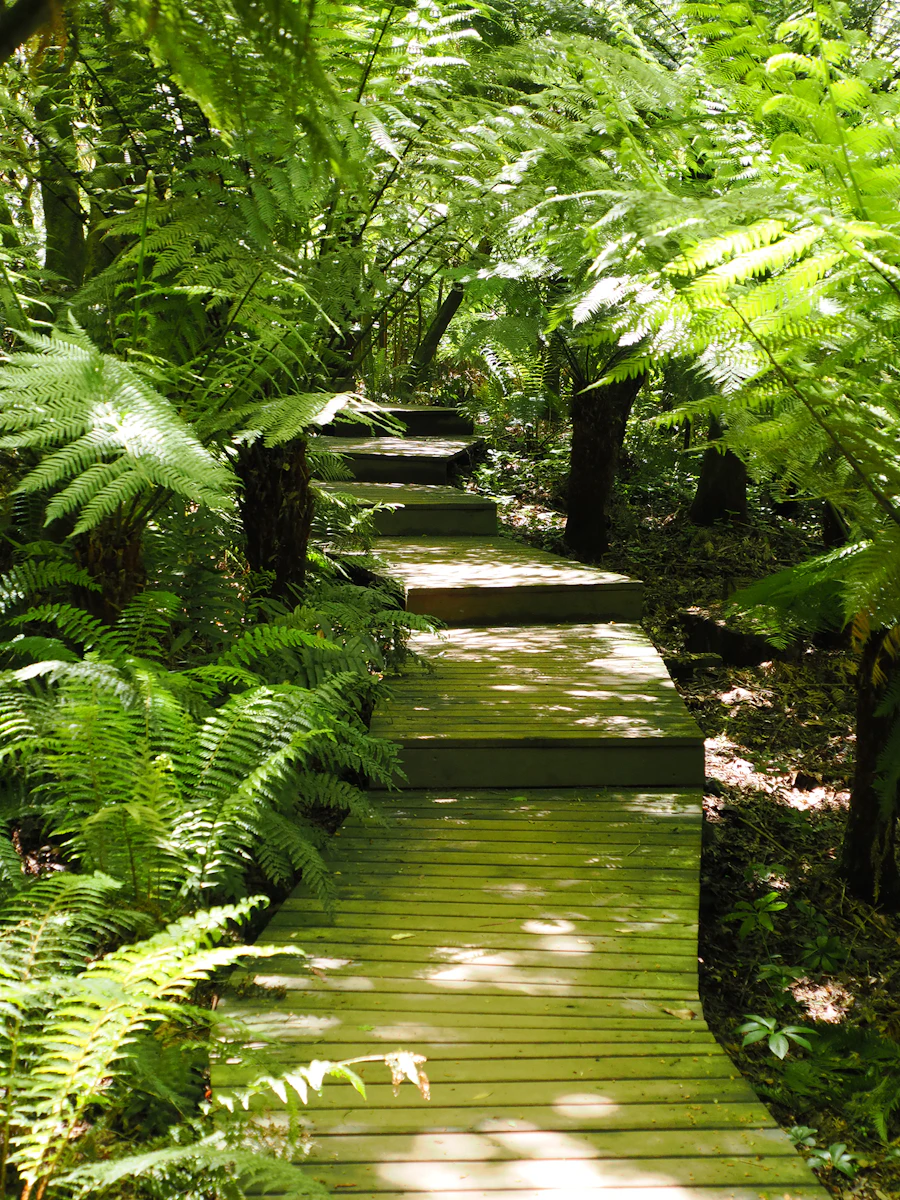
Photo by Kat Millard, Katelizabeth
References
Australian Government Department of Health, Disability & Ageing. (2026). DASS-21 Scoring template and interpretation. Comorbidity Guidelines. https://comorbidityguidelines.org.au/appendix-k-depression-anxiety-stress-scale-dass-21/dass21-scoring-template-and-interpretation
Calm. (2023). 5-4-3-2-1 grounding: How to use this simple technique for coping with anxiety. Calm.com. https://www.calm.com/blog/5-4-3-2-1-a-simple-exercise-to-calm-the-mind
Coffs Harbour Chronic Pain Service. (2025). Kathryn McKinnon Discharge Summary. Mid North Coast Local Health District. https://cdn.shopify.com/s/files/1/0665/3093/4883/files/dichargesummary.jpg?v=1778995469
Coffs Harbour Chronic Pain Service. (2025). Agency for Clinical Innovation. https://aci.health.nsw.gov.au/networks/pain-management/resources/services-directory/coffs-harbour-chronic-pain-service
Doran, N. J. (2014). Experiencing wellness within illness: exploring a mindfulness-based approach to chronic back pain. Qualitative health research, 24(6), 749-760. https://journals.sagepub.com/doi/abs/10.1177/1049732314529662
Gordon, A., & Ziv, A. (2021). The Way Out: A revolutionary, scientifically proven approach to healing chronic pain. Penguin. 28-29
Gupta, S. (2026). Feeling anxious? Try the 5-4-3-2-1 grounding technique. VeryWellMind.com. https://www.verywellmind.com/5-4-3-2-1-grounding-technique-8639390
Hadi, M. A., McHugh, G. A., & Closs, S. J. (2019). Impact of chronic pain on patients’ quality of life: a comparative mixed-methods study. Journal of Patient Experience, 6(2), 133–141. https://journals.sagepub.com/doi/10.1177/2374373518786013
Hilton, L., Hempel, S., Ewing, B. A., Apaydin, E., Xenakis, L., Newberry, S., ... & Maglione, M. A. (2017). Mindfulness meditation for chronic pain: systematic review and meta-analysis. Annals of behavioral medicine, 51(2), 199-213. https://link.springer.com/article/10.1007/s12160-016-9844-2
Finck, C., Avila, A., Jiménez-Leal, W., Botero, J. P., Shambo, D., Hernandez, S., ... & Andonova, V. (2023). A multisensory mindfulness experience: Exploring the promotion of sensory awareness as a mindfulness practice. Frontiers in psychology, 14, 1230832. https://www.frontiersin.org/journals/psychology/articles/10.3389/fpsyg.2023.1230832/full
Koniver, L. (2023). Practical applications of grounding to support health. Biomedical journal, 46(1), 41-47. https://www.sciencedirect.com/science/article/pii/S2319417022001585
Martinez, C. (2026). The 5, 4, 3, 2, 1 grounding technique is a simple, helpful way to cope with anxiety. Stella Mental Health. https://stellamentalhealth.com/resources/54321-grounding-technique
Micallef, C. (2023). Managing stress and anxiety: the 54321 mindfulness grounding practice. Now About Meditation. https://www.nowaboutmeditation.com/p/54321-mindfulness-grounding-practice
Millard, K. (2025). Photography by Katelizabeth. Katelizabeth. https://gallery.katelizabeth.com.au/photography/
Neuro Orthopaedic Institute. (2026). Global Leaders in Pain Science Education – Transforming Knowledge into Better Care. https://www.noigroup.com/
Power, R., Corbett-Whalan, M. & Smith, M. (2025, April). Evolve. Chronic Pain Self-Management Program. Coffs Harbour Chronic Pain Service, Coffs Harbour Health Campus.
Scott, K. M., Duncan, K., & McCoy, T. P. (2025). Ground yourself: Using five senses technique to cope with test anxiety among nursing students. Teaching and Learning in Nursing. https://www.sciencedirect.com/science/article/pii/S1557308725002999
Sutton, J. (2020). 17+ Free Mindfulness Worksheets & Exercises. Positive Psychology. https://positivepsychology.com/mindfulness-worksheets/
Shortcut Links to Positive Psychology Blog Posts:
Comments Welcomed
Feel free to add comments to this post, or send me inspirations of your time in greenspaces that I can share with my followers: hello@changethenarrative.com.au.

Written by
Greenspaces for Australian Primary Schools
Photo by Kat Millard, Katelizabeth Wellbeing of Primary Students in Australia As a teacher you may resonate with Harper et al.'s (2026, p.2) statement about dec
Greenspaces for Wellbeing
Photo by Kat Millard, Katelizabeth A Good Day From 2021-2022 within the confines of an isolated life after abuse, I found solace in the Twenty One Pilots (2021)
Introduction
Photo by Kat Millard, Katelizabeth What If? What if you had the possibility to overcome aspects of your wellbeing holding you back from a thriving life? What if