
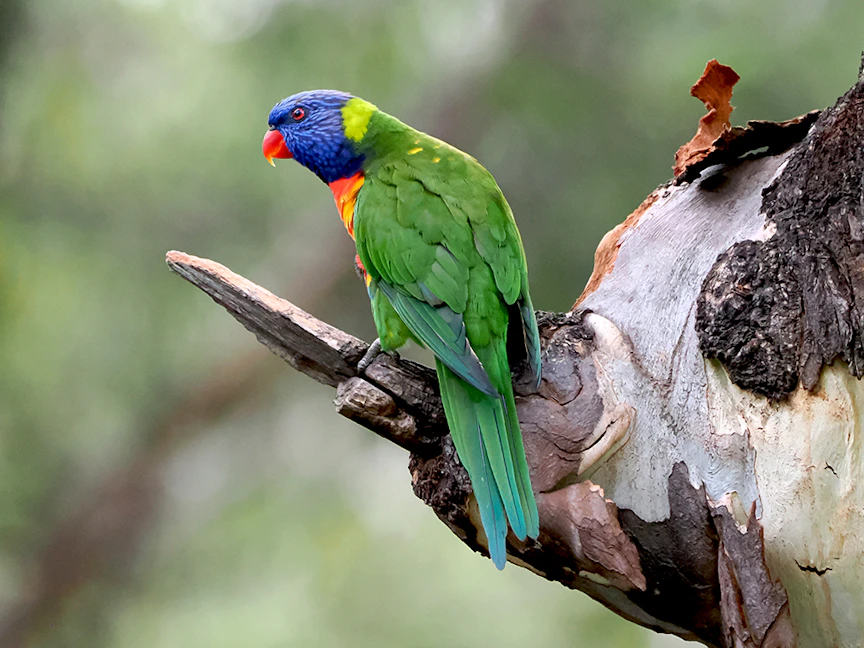
Photo by Kat Millard, Katelizabeth
Wellbeing of Primary Students in Australia
As a teacher you may resonate with Harper et al.'s (2026, p.2) statement about declining student wellbeing:
In Australia and around the world, young students are increasingly experiencing declines in wellbeing, engagement, and sense of belonging. These trends are accompanied by rising anxiety and social disconnection that affect learning and development.
Consider these statistics reported by The Royal Children's Hospital (2023) regarding the mental health of children in Australia aged 8-13 years:
17% of children reported low levels of satisfaction or happiness
16% of children reported symptoms of anxiety
23% of children reported experiencing depression
Now consider that these results represent the ages of majority of students in Australian Primary Schools. Also concerning is a reported 50% decline in wellbeing interventions and mental health measures in Australian schools Gunawardena et al.'s (2023). Which had me asking the following question: What positive wellbeing strategies could be successfully applied? Investigating further, I was drawn to the South Australian initiatives promoting the wellbeing and resilience of children through the process of inspiring, engaging and empowering. The specific outcomes of expressing wonder and interest and showing curiosity and enthusiasm for learning are of note (Government of South Australia, 2024).
Finding Awe in Nature Walks
Could awe and wonder be a positive wellbeing strategy for our primary school students?
Keltner (2023) reflects that children naturally find awe through exploring the outdoors; for example, filling buckets with sand, collecting bugs, climbing and digging holes or splashing about in water; with the experience of wild awe considered to be good for our minds, a help to handle stress, and to also build resilience.
As teachers we all have those lessons where students are rowdy or unsettled; this is when I would take students in my own classes outside to help them calm down, relax, and refocus. A nature walk is as simple as opening the door of the classroom and stepping outside to explore the school grounds, and has documented wellbeing benefits for students, for example:
In Bergstrom's (2025) study, students who went for a short 20-minute nature walk reported increased happiness and decreased stress, with most students exclaiming to have discovered something amazing or beautiful on their walk.
In another study by Adams & Beauchamp (2021), students who were introduced to mindfulness in nature reserves reported a feeling of being calm, as well as an enjoyable sense of awe and wonder.
I highly recommend the following book I purchased as a teacher's resource: Take this Book for a Walk, with nature journaling one way to encourage students to observe the wildlife of school grounds. The author Peeters (2025) demonstrates this sample activity of listening to bird calls and it is a practice that could easily be applied to most Australian school grounds (and as I have observed, you can even find birds in concrete jungles!)
Can we Learn from Uteskole?
As a wider implementation for schools strategy, I draw attention to the European concept of Uteskole (outdoor school), where teachers provide opportunities for students to touch, smell and get a feel for what they are learning about; for example instead of just learning about birds in the classroom by watching movies, students in Uteskole first go outside to watch and listen to birds (Winje & Løndal, 2021). Perhaps the opportunity is right outside our Australian classrooms, as Harper et al.(2026, p.24) challenges:
Importantly, there is an opportunity to shape an approach that is uniquely Australian, one that responds to the country's distinctive natural landscapes while respectfully integrating Aboriginal and Torres Strait Islander ways of knowing to deepen ecological and cultural collections.
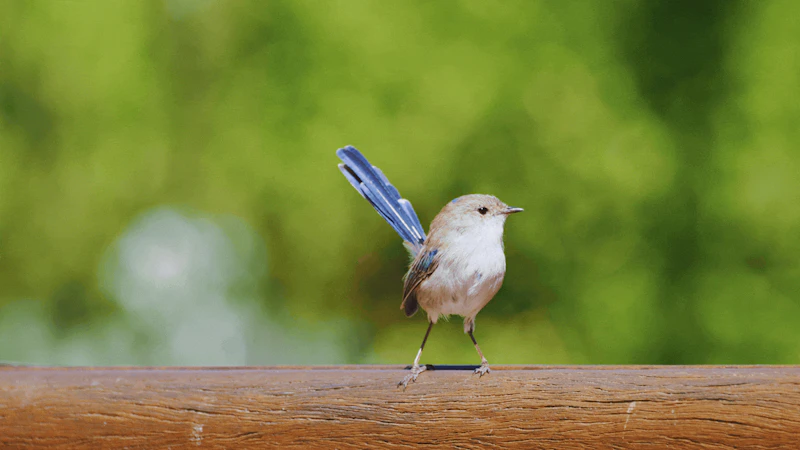
To conclude, I have posted a photo I captured on a nature walk to challenge you to give your students the school phone or camera to take some photos so they can document their own greenspace discoveries when exploring school grounds. You never know that what students may find on their journey, opening potential to also integrate nature walks with scientific knowledge and even providing writing prompts; all the while contributing to improved positive wellbeing outcomes for students and teachers alike! What's that famous saying?
You had me at hello.
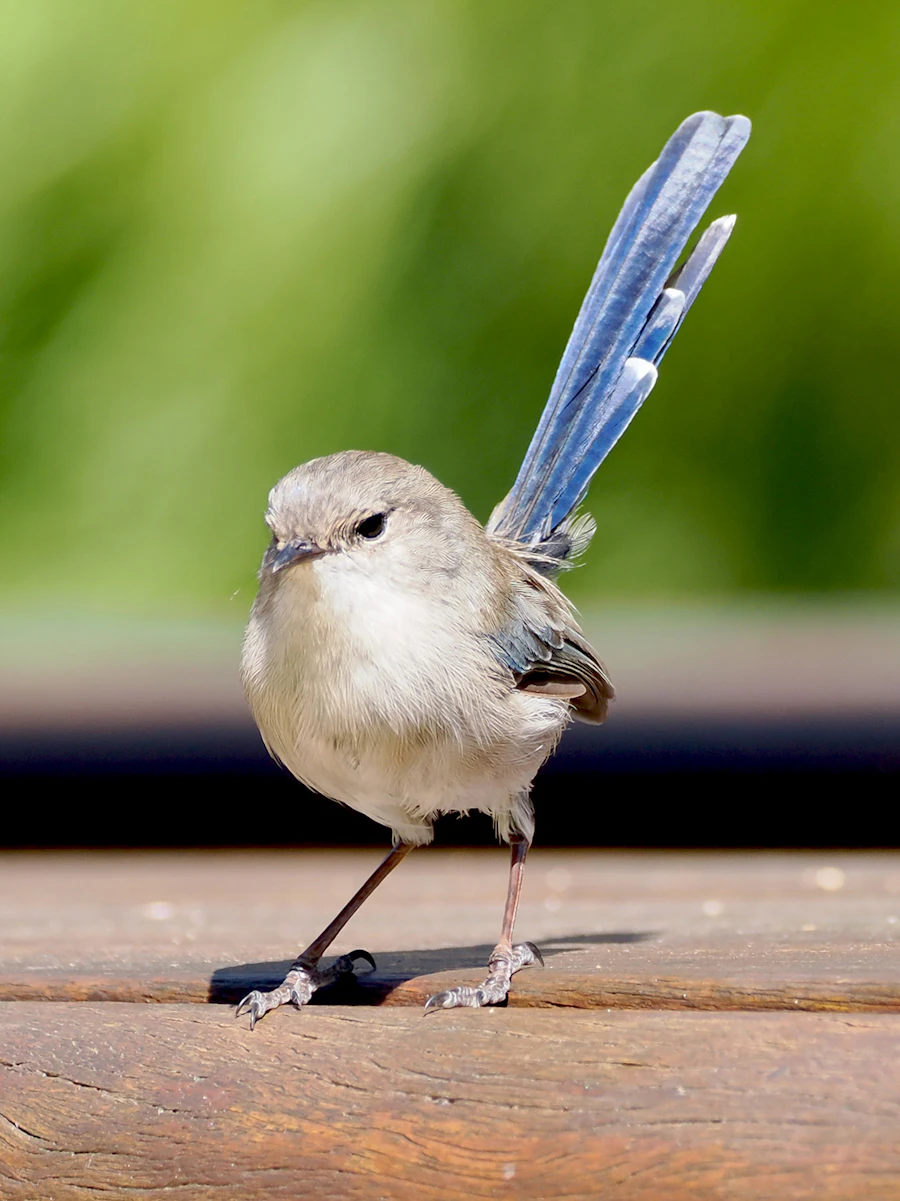
Photo by Kat Millard, Katelizabeth
References
Adams, D., & Beauchamp, G. (2021). A study of the experiences of children aged 7-11 taking part in mindful approaches in local nature reserves. Journal of Adventure Education and Outdoor Learning, 21(2), 129–138. https://www.tandfonline.com/doi/full/10.1080/14729679.2020.1736110
Bergstrom, T. (2025). The educational impacts of a small dose nature experience on suburban primary school students: academic performance or happiness and caring? Journal of Outdoor and Environmental Education, 28(1), 1-18. https://link.springer.com/article/10.1007/s42322-023-00147-z
Government of South Australia. (2024). Wellbeing for learning and life: A framework for building resilience and wellbeing in children and young people. Department of Education, South Australia. https://www.education.sa.gov.au/docs/support-and-inclusion/engagement-and-wellbeing/wellbeing-for-learning-and-life-framework.pdf
Gunawardena, H., Voukelatos, A., Nair, S., Cross, S., & Hickie, I. B. (2023). Efficacy and effectiveness of universal school-based wellbeing interventions in Australia: A systematic review. International Journal of Environmental Research and Public Health, 20(15), 6508. https://pmc.ncbi.nlm.nih.gov/articles/PMC10418788/
Harper, A., Gray, T., & Hespos, S. (2026). Nature play as a catalyst for outdoor learning, engagement and wellbeing in Australian primary students. Education Sciences, 16(3), 492. Nature Play as a Catalyst for Outdoor Learning, Engagement and Wellbeing in Australian Primary Students - ProQuest
Keltner, D. (2023). Awe: the transformative power of everyday wonder. Random House.
Millard, K. (2025). Photography by Katelizabeth. Katelizabeth. https://gallery.katelizabeth.com.au/photography/
Peeters, P. (n.d.). Bird Calls [Instagram post]. https://www.instagram.com/reel/DQivi1kj7Qc/?utm_source=ig_web_copy_link&igsh=NTc4MTIwNjQ2YQ==
Peeters, P. (2023). Take this Book for a Walk: A step-by-step guide to nature journaling. Paperback Writer.
The Royal Children's Hospital. (2023). Report 3: Mental health of children in Australian aged 8–13 years, June 2023. The Royal Children's Hospital National Child Health Poll. https://rchpoll.org.au/wp-content/uploads/2023/06/Report-3-Mental-health-of-children-8%E2%80%9313-years-in-Australia.pdf
Winje, Ø., & Løndal, K. (2021). Theoretical and practical, but rarely integrated: Norwegian primary school teachers’ intentions and practices of teaching outside the classroom. Journal of Outdoor and Environmental Education, 24(2), 133–150. https://link.springer.com/article/10.1007/s42322-021-00082-x
Shortcut Links to Positive Psychology Blog Posts:
Comments Welcomed
Feel free to add comments to this post or send your own ideas of how you take your students into the great outdoors by emailing: hello@changethenarrative.com.au.

Written by
Mindfulness for Alleviating Chronic Pain
Photo by Kat Millard, Katelizabeth I begin this blog post emphasising a point made to me at the start of my recovery journey: your pain is real. Here is a snipp
Greenspaces for Wellbeing
Photo by Kat Millard, Katelizabeth A Good Day From 2021-2022 within the confines of an isolated life after abuse, I found solace in the Twenty One Pilots (2021)
Introduction
Photo by Kat Millard, Katelizabeth What If? What if you had the possibility to overcome aspects of your wellbeing holding you back from a thriving life? What if